
The Mississippi State University (MSU) Student Chapter of the International Society for Terrain-Vehicle Systems (ISTVS) recently visited the U.S. Army Engineer Research and Development Center (ERDC), Geotechnical and Structures Laboratory (GSL), with a focus on the Mobility Systems Branch. The visit provided students with a unique opportunity to explore the real-world challenges and technologies associated with military ground mobility and terrain–vehicle interaction.
The tour introduced students to the importance of mobility within the U.S. Army and the critical role terramechanics plays in ensuring that military vehicles can effectively operate across diverse and challenging terrain conditions. Students learned how mobility performance influences vehicle survivability, mission capability, logistics, and operational effectiveness.
A major highlight of the visit was exposure to ERDC’s longstanding history in mobility testing and evaluation. Students were introduced to the Vehicle Cone Index (VCI) testing methodology, a foundational terrain mobility assessment approach that continues to play an important role in the acquisition and evaluation process for new military ground vehicles. The visit also showcased ERDC’s historical contributions to mobility research and vehicle development.
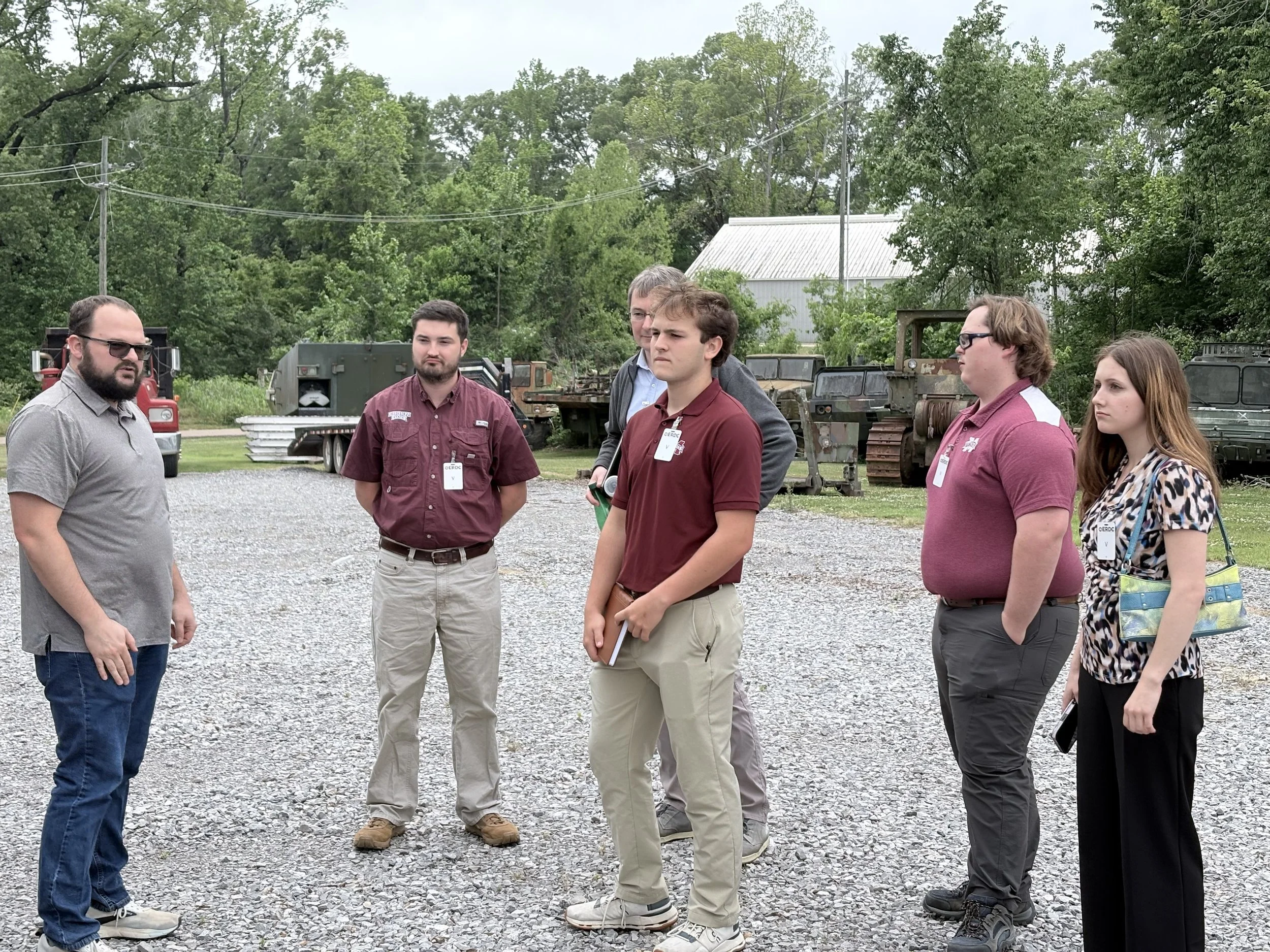
Dr. Brad Hansen with MSU student Chapter
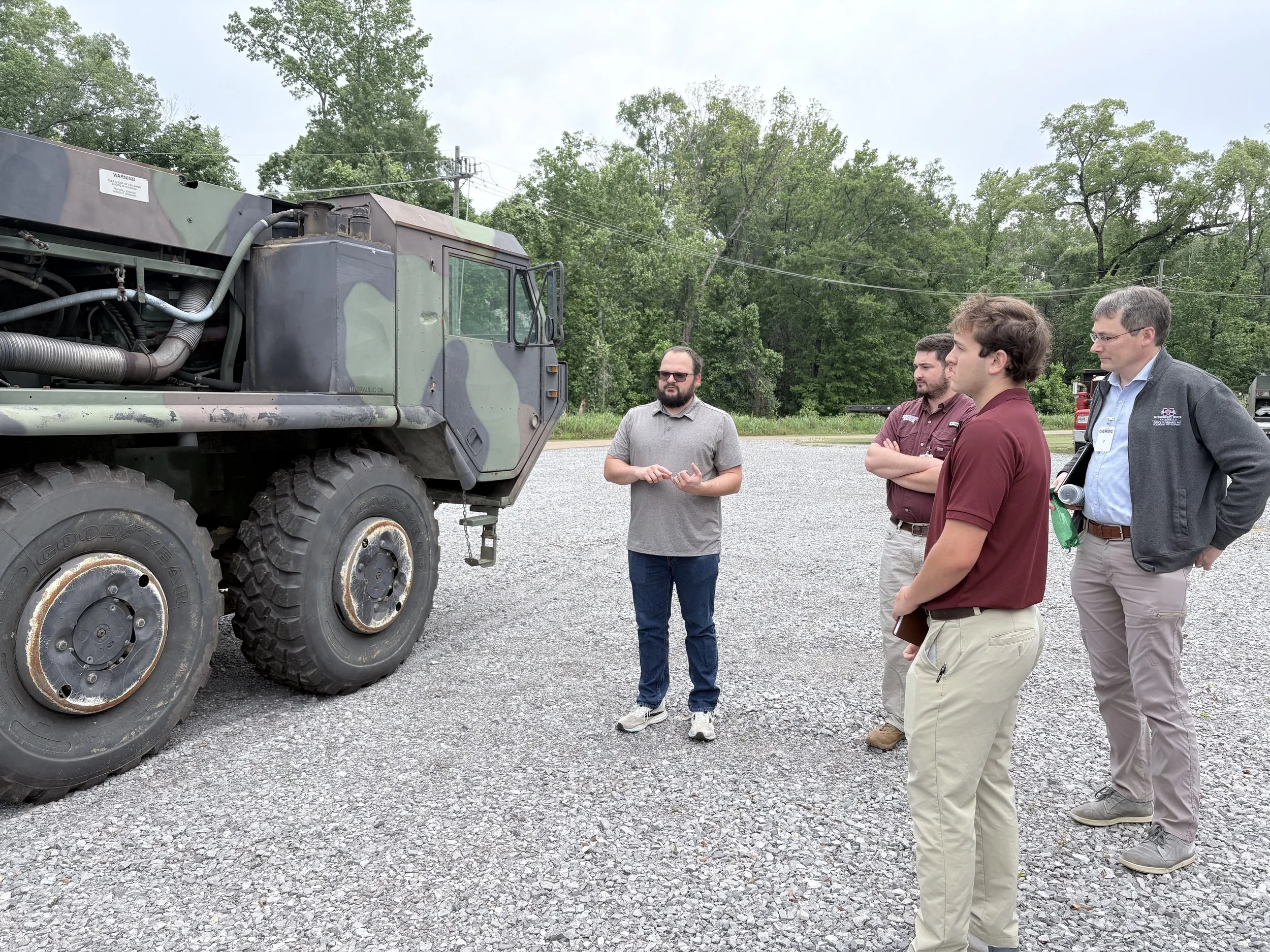
In addition to historical testing capabilities, students were introduced to emerging modeling and simulation technologies being developed at ERDC. Demonstrations included the Virtual Autonomous Navigation Engine (VANE), an advanced simulation environment used to model terrain, environments, and sensor systems that can be integrated with autonomous vehicle technologies for virtual testing and evaluation. Students also had the opportunity to view several military mobility platforms and testing assets used in current research activities.
The visit was organized by Dr. Brad Hansen with support from Dr. Varsha S. Swamy, Garrett Holden, and Zach Aspin. Representing Mississippi State University were Dr. George Mason, Dr. Bohumir Jelinek, Ethan Salmon, Dr. Chris Goodin, and members of the MSU ISTVS Student Chapter.
Dr. Brad Hansen emphasized the importance of student involvement within the terrain–vehicle community:
“The continued success of ISTVS heavily depends on its student researchers. They play a central role in advancing the terrain-vehicle domain and keeping our conferences relevant and forward-looking. With a significant portion of the current expert community approaching retirement, there is an increasing need to support and develop the next generation. Today's students are tomorrow's leaders, and their involvement is more important than ever.”
Devin Chen, former president of the MSU ISTVS Student Chapter, reflected on the impact of the experience:
“Opportunities like this highlight the value of ISTVS in bridging the gap between academic learning and hands-on innovation in terrain-vehicle systems.”
Current MSU ISTVS Student Chapter President Katie Hardwick noted the importance of connecting classroom learning with practical engineering applications:
“Our visit gave students a unique opportunity to see real-world engineering and research in a professional setting. Experiences like this make engineering feel tangible and show the real impact our future work can have.”
Bohumir Jelinek also highlighted the educational value of the visit and the importance of collaboration between academia and government research organizations:
“Our visit to the U.S. Army Corps ERDC, organized by Ethan Salmon, the advisor of the MSU Student Chapter of the International Society for Terrain-Vehicle Systems (ISTVS), in collaboration with ERDC, gave MSU students and educators a truly unique opportunity to observe the terramechanics testing facilities and to learn about the real-world problems the ERDC Mobility Research Team is solving. Exposure to the vehicles that ERDC contributed to through development and testing, including the Lunar Rover and Marsh Screw Amphibian Craft, also provided insight into the rich history of ERDC’s work. The preparation of the visit, guide, and presentations by Dr. Brad Hansen, Dr. Varsha Swamy, and the ERDC Mobility Research Team members were especially appreciated.”
Ethan Salmon added:
“As the advisor to the MSU ISTVS Student Chapter, I’m grateful to the team at ERDC for coordinating the tour. I think it is very beneficial for students to see terramechanics in real-world application.”
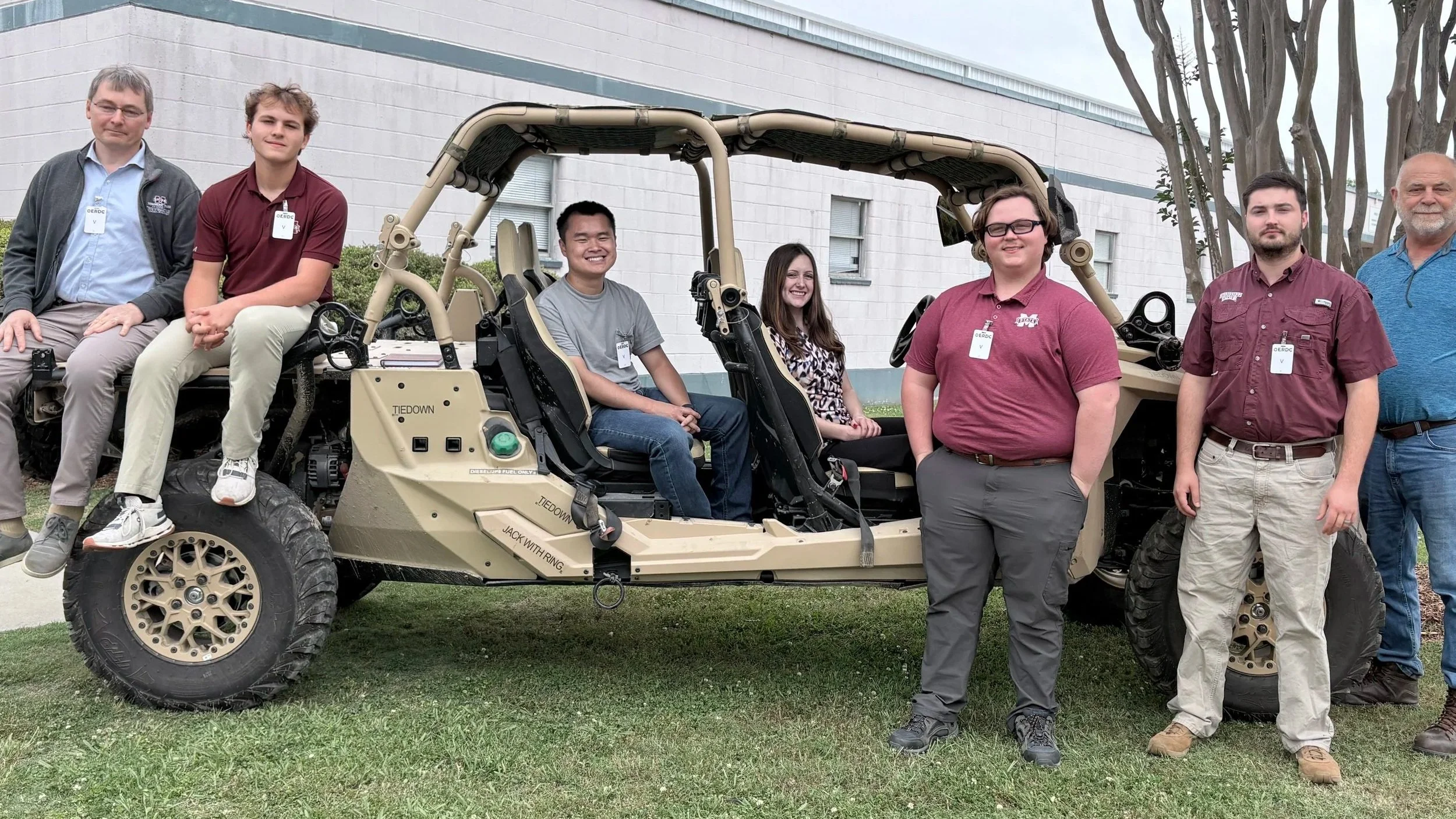
MSU ISTVS Student Chapter
The visit reflects the continued mission of ISTVS to foster student engagement, strengthen collaboration between academia and government laboratories, and inspire the next generation of researchers and engineers working in terrain–vehicle systems and off-road mobility.